Stock (animal)

Definition and stakes

Louis Clyde Gale,  The Golden Hamster Manual (1949)

“ If interested in such deal, it may pay to first investigate as to what age, weight, kind, when and how many they buy back and at what prices, and who pays transportation charges. A cheek-up may disclose that many laboratory animal brokers average to pay about one-half laboratory market price on hamsters, and that breeding stock brokers pay about one-half to two-thirds laboratory market price. Having mistaken ideas about selling back, one may easily overinvest in purchase of his foundation stock from some operators. ”
Source: Wikisource

Louis Clyde Gale,  The Golden Hamster Manual (1949)

“ It appears that the largest profit and most pleasure In proportion to time and money invested comes to small operators keeping only a few producing animals selling offspring for purposes bringing largest returns per animal, such as pets and observation propagation stock for nearby schools, as well as for breeding stock sold to others locally and in surrounding territory at the regular prices for them while these animals are still so new. Buyers frequently pay more for stock they may see and take right home with them. ”
Source: Wikisource

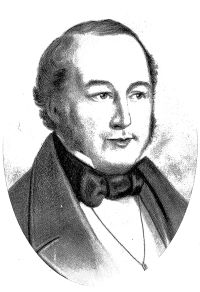
Portrait of George Fletcher Moore George Fletcher Moore,  Diary of ten years eventful life of an early settler in Western Australia and also A descriptive… (1884)

“ From our own observations we can state that within the last twelve months, the increase of stock has been very considerable, the holders having acted more judiciously of late in withholding the breeding stock from the butcher, however tempting the price, whereas formerly they thought merely of the present, by killing ewes, &c., whenever the condition of the animal or great demand for meat gave present profit. ”
Source: Wikisource

Get perspective with Kwize: daily news enlightened by great literature