Trade winds

Definition and stakes

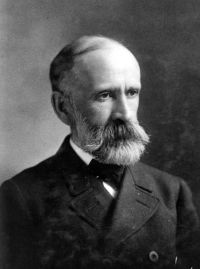
Portrait of James Bruce James Bruce,  Travels to Discover the Source of the Nile…

“ These winds are by some corruptly called the trade-winds; but this name given to them is a very erroneous one, and apt to confound narratives, and make them unintelligible. A trade-wind is a wind which, all the year through, blows, and has ever blown, from the same point of the horizon; such is the south-west, south of the Line, in the Indian and Pacific Ocean. ”

Source: Gutenberg

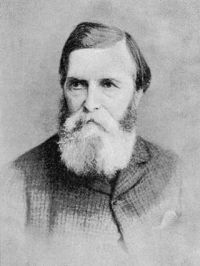
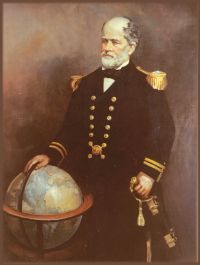
Portrait of Nathaniel Southgate Shaler Nathaniel Southgate Shaler,  Outlines of the Earth's History…

“ Beyond the trade-wind belt, toward the poles, the movements of the atmosphere are dependent in part on the counter trades which descend to the surface of the earth in latitudes higher than that in which the surface or trade winds flow. Thus along our Atlantic coast, and even in the body of the continent, at times when the air is not controlled by some local storm, the counter trade blows with considerable regularity. ”
Source: Gutenberg

by the United States government,  Chapters (2002)

“ The Trade Winds The trade winds at the surface blow from the belts of high pressure toward the equatorial belts of low pressure. Because of the rotation of the Earth, the moving air is deflected toward the west. Therefore, the trade winds in the Northern Hemisphere are from the northeast and are called the northeast trades, while those in the Southern Hemisphere are from the southeast and are called the southeast trades. The trade-wind directions are best defined over eastern ocean areas. ”
Source: Wikisource

Get perspective with Kwize: daily news enlightened by great literature