Treaty making

Definition and stakes

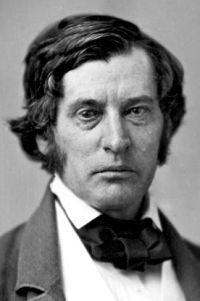
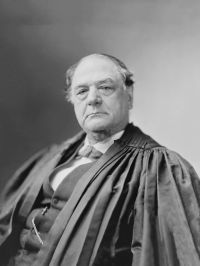
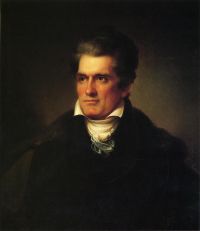
Portrait of John C. Calhoun John C. Calhoun,  Works of John C. Calhoun (1854)

“ The powers embraced by, or appertaining to foreign relations, are left to be regulated by the treaty-making power, or by Congress; and, if by the latter, are enumerated and specifically delegated. They embrace a large portion of its powers. But those relating to the exterior relations of the States among themselves, with few exceptions, are regulated by provisions inserted in the constitution itself. To this extent, it is, in fact, a treaty — under the form of a constitutional compact — of the highest and most sacred character. ”
Source: Wikisource

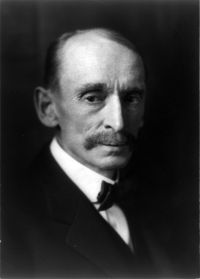
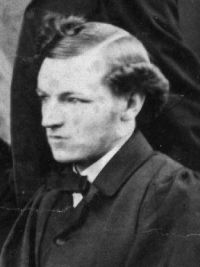
Portrait of Thomas Erskine Holland Thomas Erskine Holland,  1911 Encyclopædia Britannica (1911)

“ The analogy between treaty-making and legislation is striking when a congress agrees upon general principles which are afterwards accepted by a large number of states, as, for instance, in the case of the Geneva conventions for improving the treatment of the wounded. Many political treaties containing “transitory conventions,” with reference to recognition, boundary or cession, become, as it were, the title-deeds of the nations to which they relate. [2] But the closest analogy of a treaty is to a contract in private law. ”
Source: Wikisource

United States. Congress,  Abridgment of the Debates of Congress…

“ If he can by Treaty declare, that commerce shall not be regulated, that property shall not be sequestrated, and that piracies shall be judged and punished as he thinks fit; if he is to exercise the unlimited Treaty-making power contended for, what security have we that he may not go further when the negotiations are renewed with Great Britain, agreeably to the stipulations of the present Treaty? ”
Source: Gutenberg

Get perspective with Kwize: daily news enlightened by great literature