Tree sparrow

Definition and stakes

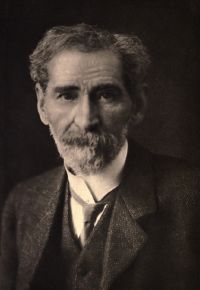
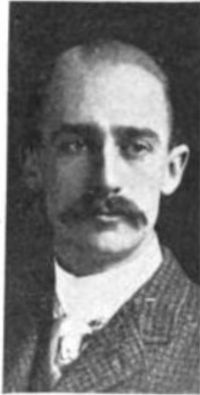
Portrait of William Beebe William Beebe,  The Log of the Sun: A Chronicle of Nature's Year

“ One evening we notice the juncos and tree sparrows in the tangled, frost-burned stubble, and the next day, although our eye catches glints of white from sparrow tails, it is from vesper finches, not from juncos, and the weed spray which a few hours before bent beneath a white-throat’s weight, now vibrates with the energy which a field sparrow puts into his song. Field and chipping sparrows, which now come in numbers, are somewhat alike, but by their beaks and songs you may know them. ”
Source: Gutenberg

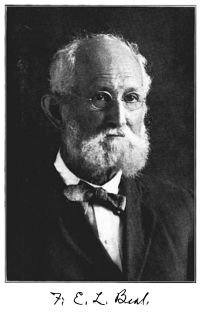
Various,  Birds and Nature Vol. 11 No. 2…

“ The tree sparrow, one of our most interesting sparrows, is another bird who does not fear the winter winds and storms. Although he carries the name of tree sparrow, he is most emphatically a bird of the ground, and may be seen during the winter months in almost any remote patch of plowed ground where there are old weed stalks for him to eat. They are especially addicted to old tomato fields and seem to delight in the seeds of this plant. This sparrow looks like a large chippy, our door yard neighbor of the summer months, excepting that he has distinguishing white bars across his wings. ”
Source: Gutenberg

Keith E. Evans,  Cavity-Nesting Birds of North American Forests

“ Nest: European tree sparrows nest in natural cavities, crevices, and woodpecker holes. They appear to be a weak competitor for available nesting sites. Part of the reason for the extension of tree sparrow range north may be related to large numbers of dead and dying American elms (victims of Dutch elm disease) which have provided an increasing source of nesting sites (Barlow 1973) .
Food: Tree sparrows feed primarily on the ground on weed seeds, maize, insects, and spiders.
”
Source: Gutenberg

Get perspective with Kwize: daily news enlightened by great literature