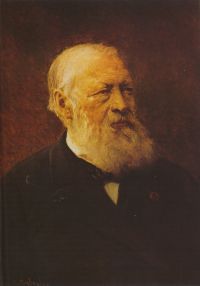
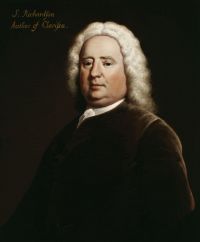
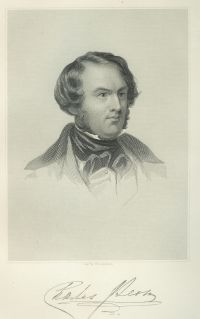
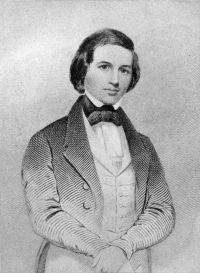
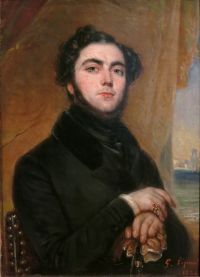
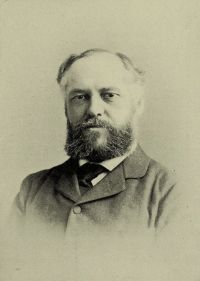
The literary concept of the "wealthy person" examines the depiction of individuals with considerable resources, exploring their roles in society, ethical dilemmas, and inner conflicts. Authors such as Charles Dickens contrast the emotional richness of poverty with the often empty materialism of affluence, while Baron Edward Bulwer Lytton emphasizes how wealth can provide social isolation and a facade of virtue.
William Jennings Bryan critiques the moral failings of the prosperous, and Alexis de Tocqueville notes how the spread of wealth transforms cultural values. These differing viewpoints highlight literature’s ongoing fascination with wealth as both a tool for social influence and a moral challenge, illustrating its capacity to enhance or undermine human relationships.
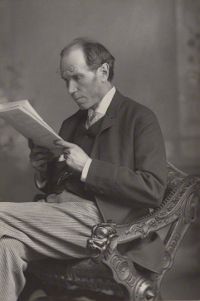 James Payn,
Some Private Views