Weight (mass)

Definition and stakes

James W. Evans,  British Weights and Measures, Considered from a Practical Standpoint (1904)

“ To the common mass of the people the use of weights is in the market and the shops. The article weighed is to be carried home for the daily subsistence of the family. Subdivisions of the pound, the half, the quarter of a pound, are often necessary to conciliate the wants and the means of the neediest portion of the people, that portion to whom the justice of weight and measure is a necessity of life, and to whom it is one of the most sacred duties of the legislator to secure that justice, so far as it can be secured by the operation of human institutions. ”
Source: Wikisource

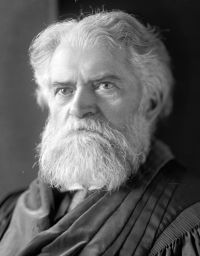
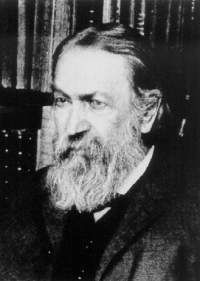
Portrait of Ernst Mach Ernst Mach,  Popular scientific lectures

“ What kind of a quantity is that which now weighs more, and now weighs less, so to speak? But this apparent deviation from the method of determination commonly used in practical life, that by weight, is, closely considered, an agreement. On a high mountain a heavy mass also is less powerfully attracted to the earth than at the level of the sea, and if it is permitted us in our determinations to neglect the consideration of level, it is only because the comparison of a body with fixed conventional weights is invariably effected at the same level. ”
Source: Gutenberg

William Richard Bradshaw,  The Goddess of Atvatabar

“ What we call a pound weight is a mass of matter attracted by the earth on its surface with a force equal to the weight of sixteen ounces. A pound weight on the surface of the earth weighs sixteen ounces, and all the mighty volume of our planet, with all its mountains, continents and seas, weighs only sixteen ounces on the surface of a pound weight. The earth may still weigh many millions of tons as regards the sun, but as regards a pound weight it only weighs sixteen ounces. ”
Source: Gutenberg

Get perspective with Kwize: daily news enlightened by great literature