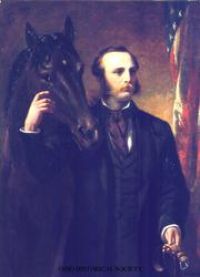
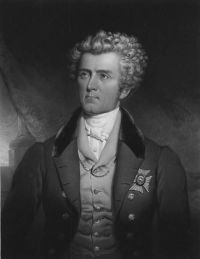
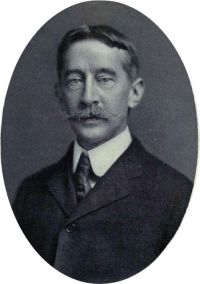
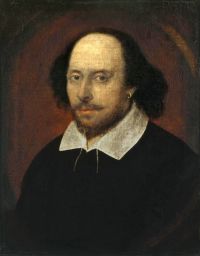
The concept of the "wild horse" encompasses both a 1931 Western film and a broader cultural emblem of unrestrained freedom. The film Wild Horse portrays a conflict between civilization and the wilderness, as characters confront the capture and training of a free-spirited equine, reflecting themes of authority and self-identity. Authors such as Mayne Reid and John Solomon Rarey examined wild horses in their writing, contrasting their free-spirited nature with tamed counterparts.
Reid’s vivid depictions of the "wild steed of the savannas" celebrate its natural elegance, while Rarey’s works on training underscore the animal’s innate untamed essence. These differing viewpoints—from cinematic storytelling to literary analysis—underscore the wild horse as a symbol of defiance against domestication, representing a primal force that endures across various genres and time periods.
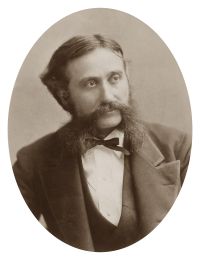 Hubert Howe Bancroft,
The Native Races of the Pacific States
(1886)