Working-class woman

Definition and stakes

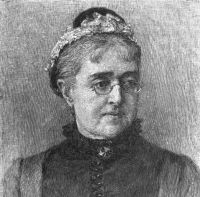
Georgiana Hill,  Women in English Life from Mediæval to Modern Times…

“ The great industrial revolution, which began in the last century, and has progressed with such rapid strides, has had its special bearing on the position of women. The material improvements brought about by machinery and developing trade, have lifted the middle-class woman out of the purely domestic sphere by lessening her household duties, and so leaving her free for other occupations. She hasxii ceased to be a producer. But the working woman has been simply drawn more and more from family life, to be absorbed into the ranks of outside workers. ”
Source: Gutenberg

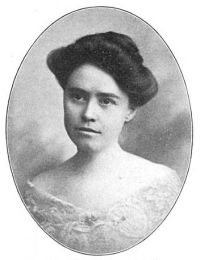
Portrait of Amelia E. Barr Amelia E. Barr,  Maids, Wives, and Bachelors

“ Not one of such women has been driven afield by indisputable genius. Any work they have done would have been better done by some unprotected, experienced woman already in the fields they have invaded. And the indifference of this class to the money value of their labor has made it difficult for the women working because they must work or starve, to get a fair price for their work. It is the baldest effrontery for this class of rich discontents to affect sympathy with Woman’s Progress. Nothing can excuse their intrusion into the labor market but unquestioned genius and super-excellence of work ”
Source: Gutenberg

Meta Stern Lilienthal,  From Fireside to Factory (1916)

“ So working women came into the labor movement at a time when there was as yet no organized woman movement. Years before middle class women began to struggle for woman's right to a higher education, her right to learn and practice the liberal professions, her right to equality before the law and, finally, her right to political equality, working women were struggling for a living wage, a reasonable working day, and decent conditions of toil. ”
Source: Wikisource

Get perspective with Kwize: daily news enlightened by great literature