Workwear

Definition and stakes

Meta Stern Lilienthal,  From Fireside to Factory (1916)

“ These comprise the making of men's and women's suits and dresses, coats, hats, shirts, underwear, collars and cuffs, gloves, etc. As we have seen, the making of wearing apparel has always been woman's work. During the domestic period of industry the same hands that spun the thread and wove the cloth also sewed the garments. When spinning and weaving had been taken out of the home and made specialized factory occupations, the making of clothes still remained a domestic occupation because no machinery had as yet been applied to this branch of manufacture. ”
Source: Wikisource

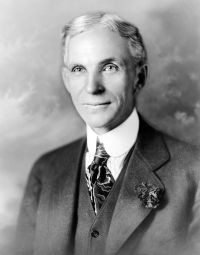
Portrait of Henry Ford Henry Ford,  The International Jew/Volume 3… (1920)

“ In the garment industry, the organizations include every operation in the process of making clothes. There are separate unions for buttonhole makers, vest makers, pants makers, coat cutters, coat operators, coat pressers, coat tailors, coat basters, lapel makers, knee pants makers, clothing turners, overall workers, palm beach workers, shirt makers, vest pressers, and even a washable sailor suit union. These together comprise the Amalgamated Clothing Workers of America. ”
Source: Wikisource

Kate Heintz Watson,  Textiles and Clothing

“ To possess mechanical skill alone is not sufficient. A successful garment depends not only upon the dexterity with which the worker manipulates the actual tools of her craft, but upon all her faculties and her power of applying them. She must have a comprehension of the laws of beauty in dress, construction, ornament, color, selection, economy. The artisan knows the technical part only, and looks upon each dress—each piece of lace and velvet—as so much material to be snipped and cut and sewed, copying from the fashion plate, making gown after gown alike. ”
Source: Gutenberg

Get perspective with Kwize: daily news enlightened by great literature