Flannel

Definition and stakes

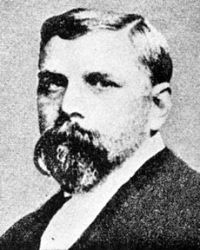
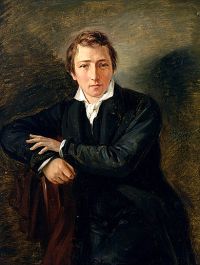
Portrait of Heinrich Heine Heinrich Heine,  The Works of Heinrich Heine (1893)

“ We live no longer in the ancient days of helm and harness and of warring knights, but in the peaceful, honest bourgeois days of under-jackets and warm bandages; that is, no longer in the iron age, but that of flannel—flannel everywhere. It is, in fact, the best cuirass against the cholera, our most cruel enemy. Venus, according to the Figaro, would wear to-day a girdle of flannel. I myself am up to my neck in flannel, and consider myself cholera-proof. The King himself wears now a belt of the best bourgeois flannel. ”
Source: Wikisource

1911 Encyclopædia Britannica, Volume 10… (1911)

“ In Wales the short staple wool of the mountain sheep was used, and in Ireland that of the Wicklow variety of the Cottagh breed, but now the New Zealand, Cape and South American wools are extensively employed, and English wools are not commonly used alone. Over 2000 persons are employed in flannel manufacture in Rochdale alone, which is the historic seat of the industry, and a good deal of flannel is now made in the Spen Valley district, Yorkshire. Blankets, which constitute a special branch of the flannel trade, are largely made at Bury in Lancashire and Dewsbury in Yorkshire. ”
Source: Wikisource

Cecil B. Hartley,  The Gentlemen's Book of Etiquette and Manual of Politeness

“ As to economy, if the flannel costs less to wash, it also wears out sooner; but, be this as it may, a man’s wardrobe is not complete without half a dozen or so of these shirts, which he will find most useful, and ten times more comfortable than linen in long excursions, or when exertion will be required. Flannel, too, has the advantage of being warm in winter and cool in summer, for, being a non-conductor, but a retainer of heat, it protects the body from the sun, and, on the other hand, shields it from the cold. ”
Source: Gutenberg

Get perspective with Kwize: daily news enlightened by great literature