“ The night is full of the scent of haystacks built along the edge of the lagoon, beside the green terrace which runs the length of the water-wall. Then, as darkness deepens, we leave to the cicalas their moonlit paradise, and glide once more into the Grand Canal. It is at this hour, more than at any other, that, sweeping round the curves of that marvellous waterway, it possesses us as an idea, a presence that is not to be put by, so compelling, so vitally creative, is its beauty. Truly Venice is poetry, and would create a poet out of the dullest clay. ”
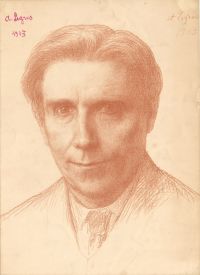
Beryl De Zoete
Biographical details
Beryl De Zoete, an English writer of the early 20th century, is best known for her lyrical depiction of Venice in her seminal work Venice. Her prose combines the city’s architectural magnificence with its spiritual and aesthetic appeal, highlighting light, color, and historical splendor.
Through vivid imagery and reflections on art—particularly Tintoretto’s work—she portrays Venice as a transcendent force, evoking both emotional depth and cultural heritage. Her themes of beauty, humanism, and the sublime align with contemporaries like John Ruskin, positioning her as a writer who blends literary artistry with insightful observation.
Quotes by Beryl De Zoete
“ As he passed out of the brilliant and garish day into the solemn mosaiced glory of San Marco and moved to the high altar between Pope and Doge singing a Te Deum, “while all gave thanks to God, rejoicing and exulting and weeping,” even an emperor and a Barbarossa may well have surrendered his pride. Even we, spectators removed by time, find ourselves exalted on the tide of colour and of sound, and crying to the Venetians, with the strangers who thronged in their streets, “Blessed are ye, that so great a peace has been able to be established in the midst of you! ”
“ He has not yet dreamed of contact with something beyond the reach of his baby wisdom. There is not yet in his chubby face that look which has stolen into the face of his brother and which now seems to put a world between them, a look that amid all its elfish aloofness is akin to the solicitude of human love. What dream was this of Basaiti—the figure of this young God of Light—perfect in form, luminous and strong, unspoiled and untroubled in his sleep of death? His eyes if they were open would be fountains fed from the beauty of the world, but he has borne no burden of humanity. ”