“ Once alone in the room, Hildreth, to my consternation, could talk of nothing else but Penton."—to think that he would do such a thing to me, only to think of it!" she cried vehemently, again and again."If he believes in freedom for men and women, why was all this necessary? the sordidness of the public clamour? the divorce court?... oh, my poor, dear, sweet, wild poet-boy, you're in for it! Don't you wish you were well out of all this and back in Kansas again?""No; I am glad. As long as I am with you I don't care what happens. I love you, Hildreth!" ”
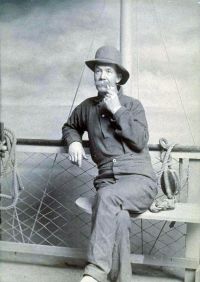
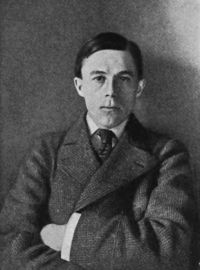
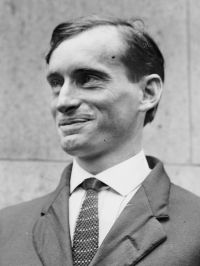
Harry Kemp
Biographical details
.jpg)
Harry Hibbard Kemp (1883–1960), known as the “Vagabond Poet” and “Hobo Poet,” was an American writer whose life and work were deeply connected to themes of wandering, personal liberty, and social commentary. A self-proclaimed “tramp autobiographer,” Kemp’s Tramping on Life (1922) exemplified his examination of a nomadic lifestyle, while his poetry and novels frequently explored love, selfhood, and the conflict between idealism and the real world.
Linked with figures such as Upton Sinclair and the Provincetown Players, Kemp moved within bohemian circles and engaged with literary experimentation, yet his later shift toward conservatism and the controversies surrounding his personal life eclipsed his earlier radical views. Although his fame diminished after his death, Kemp’s vivid storytelling and carefully crafted image continue to reflect the cultural and literary trends of his time.
Quotes by Harry Kemp
“ I was finding it very good to own, to possess, to take root; to be possessed and owned, in turn. I carried an obscure sense of triumph over Baxter.Darrie, who had been to town the week before, had come back with a report of Penton's unhappiness, his belated acknowledgment that he was still, in spite of his battle against the feeling, deeply in love with his discarded wife. It was not so easy to tear her out of his heart, she had intertwined so deeply there ... eight years with a woman, and one child by her, and affection for her was no easy thing to root up from one's being. ”
“ This mess was what we had to shovel out through the portholes ... an offensive-smelling, greenish, fluidic material, that spilled, the half of it, always, from the carefully-held scoop of the shovel.Cursing, with the bitter sweat streaming off our bodies and into our eyes, and with an oblique eye to guard from heat-maddened, frantic steer-kicks,—each day, for several hours, we suffered through this hell ... to emerge panting, like runners after a long race; befouled ... to throw ourselves down on the upper deck, under the blue, wind-free sky and feel as if we had come into paradise.... ”