“ Folly would never be Esmé's refuge; she sat in her room, her sleeping draught ready, wondering what life would be like if, for mere amusement, she had been what Sir Thomas took her for. There was not even a pretension of affection, but merely: "We are well met. You are pretty, your skin is soft, your eyes are bright; let us see how much joy we can steal from Time's storehouse." "There must be crowds of people who are like that or he wouldn't think it so natural," said Esmé. "I believe Dollie wouldn't care—or Denise, once—but I—I could never forget my miseries by becoming a beast." ”
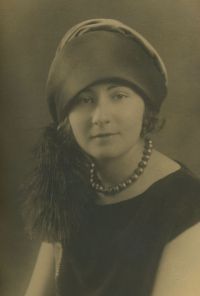
Peer
Biographical details
Peer, a literary figure whose work examines the tensions between societal expectations and personal autonomy, is best known for their novel The Oyster, a narrative rich in social critique and psychological depth. Through characters like Esmé, Peer delves into themes of identity, marital discord, and the damaging influence of wealth, contrasting existential reflection with the shallowness of urban existence.
The text’s vivid dialogue and complex storytelling reveal an interest in human fragility and the performative aspect of relationships. Peer’s body of work, though limited in breadth, provides a sharp, unflinching perspective on early 20th-century social structures, securing their place alongside contemporaries like May Edginton and L. G. Moberly.
Quotes by Peer
“ What a fool! Esmé hailed a taxi; she was lunching at the Ritz, had asked three friends there. Bah! it would cost so much, and be over and forgotten in an hour. With a smile set on a weary face, Esmé drove on. She would snatch at amusement more greedily than ever! At eight in the morning a great London station is fully awake, but not yet stifling and noisy; the cool air of the night still lurks about the platforms; the glass has not got hot; the early people are cool themselves. Bertie was up early so as to call for Estelle; his taxi sped to the quiet square where her aunt lived. ”
“ And look here, Bertie, I am sick of it all. I say, let me divorce you, or I'll take proceedings myself. If you are wise any woman of the streets will serve your purpose; if you are not, your pure Estelle's name will be in every paper. See!" She tossed a photograph across to him. A glimpse of sea and cliff, and two people asleep, lying close to a bank. Their faces were clear; the girl, lying back, had one hand outstretched; the man, his face against the bank, had his upon it. "Repose," said Esmé, coarse meaning in her voice, as every shade of colour whickered from her husband's face. ”