“ Denise sobbed piteously. "No, Esmé, no." "I can and will. Because I was weak, and loved ease and pleasure, all this has come. The world believes me to be a thief—my husband that I am an adulteress. At least I'll have my boy. Oh, Denise, do you know how I've longed for him? How my whole life has been one ache of regret?" ”
Denise
Definition and stakes
The literary concept of "Denise" emerges as a multifaceted figure across genres and eras, embodying themes of moral conflict, emotional distress, and societal pressure. From Peer’s The Oyster, where Denise wrestles with guilt and redemption, to Wymond Carey’s depiction of her as a source of male anguish, the character shifts between victim and offender.
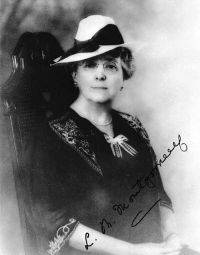
Émile Zola’s Denise navigates personal ethics in a practical world, while L. M. Montgomery’s version exudes selfless dedication. Whether as a symbol of endurance in Paul de Kock’s stories or a challenger to societal restrictions in Baroness Orczy’s work, Denise captures the struggle between personal longing and communal standards, reflecting timeless human conflicts through varied narrative perspectives.
Quotes about “Denise”
Wymond Carey, "No. 101" (1905)
“ Yet André was as unhappy as she, could she have but known it. Purely by accident on his return from Paris had he stumbled on Denise in the dark, and torturing thoughts made him feel bitter and then reckless. Denise, his Denise! Surely there was nothing to live for now. Love was a mockery and a sham. Women were all alike, faithless, vain, frivolous, worthless. He would do the Pompadour’s work without a twinge of conscience now, he would take what life had to offer of pleasure and revenge. ”
Wymond Carey, "No. 101" (1905)
“ He glanced at Denise, and the glance went home. She had refused to let him ruin Madame de Pompadour and André with her; he had obeyed because he loved her; and he alone, poor boy, was to pay the penalty. In Denise’s soul, stricken by remorse, surged the wild desire that had been shaping for days. If only by some great act of renunciation, of self-sacrifice, she could repair the terrible harm that her love for André had done to her and their cause.“We are ruined, beaten,” the Comtesse des Forges said in a hopeless tone. “That woman has won. Fate is against us.” ”