“ You disapprove of my marriage.""Yes.""Yet you wanted me married.""To the right person.""Lord Helmsdale," said Cynthia, with a little pout of disdain."Youth should marry youth," returned Mr. Benoliel.He looked the girl over from head to foot. She stood in front of him in her delicate frock of soft white satin and lace, long-limbed and slender, with the gloss of youth upon the heavy curls of her fair hair, and the rose of youth on her cheeks, and the sheen of youth upon her white and pretty shoulders. She was the color of a flower, and had the freshness of a flower upon a morning of dew. ”
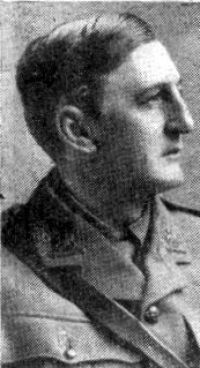
A. E. W. Mason
Summary
A. E. W. Mason’s The Turnstile traces the complex interplay of politics and personal ambition through the lives of characters such as Cynthia, Rames, and Challoner. Set against the backdrop of parliamentary debates, the novel delves into themes of marriage as a transaction, ideological struggle, and the conflict between idealism and practicality.
With settings ranging from the oppressive Mellah to the vast Daventry estancia, Mason examines how individuals navigate power, ethics, and self-identity within a rigid social structure. The narrative highlights the delicate balance between personal principles and the concessions required for political endurance.
Quotes from The Turnstile (A. E. W. Mason)
“ Benoliel gently, "not if both bring to the marriage love. Then I don't think it need." He glanced at her swiftly, and said with a sudden sharp note in his voice: "But what if the marriage be only a bargain, Cynthia? What then?" and the blood rushed into the girl's face as he looked at her."I'll tell you," he cried. His voice rose and a kind of sombre passion rang in it. "One party doesn't keep the bargain, or keeps it half-heartedly, as an irksome thing, and day by day the separation grows more complete, until you are living with your enemy or living quite alone." ”
“ Cynthia turned to him with a start."Yes, I was wondering just in that way.""Well, I'll answer you," said Rames firmly. "The desire to get on achieves more and better things than enthusiasm for an idea.""I can't believe it," cried Cynthia in revolt."Think it over," continued Rames. "Enthusiasm for cause blinds you to the harm, the injustice which you may do in furthering your cause. The desire to get on makes you appreciate the cause, and weigh it, yes, but it makes you weigh also the methods of advance.""No, no," cried Cynthia. "You push a garden roller over all my frail illusions. ”
