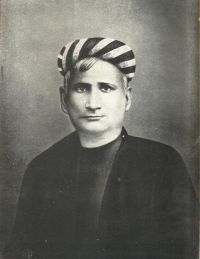
Bankim Chandra Chattopadhyay

Bankim Chandra Chattopadhyay

Anandamath (1906)

Summary

Portrait of Bankim Chandra Chattopadhyay Bankim Chandra Chattopadhyay Anandamath (1906)

The higher the moon rose, the more light got into the forest and the gloom retired more into its depths. Kalyani with her daughter began to retire into deeper woods. The ruffians rushed from all sides shouting all the more, and the child began to weep all the louder for fear. Then Kalyani stopped and would run no more. Sitting on a thornless and grassy plot of land under a big tree, with her daughter in her arms, she only cried, "Where art Thou Whom I daily worship, to Whom I daily bow and trusting Whom I could enter even this wild forest?
Source: Wikisource

Portrait of Bankim Chandra Chattopadhyay Bankim Chandra Chattopadhyay Anandamath (1906)

From the very sight of those buildings you could at once infer that there was human habitation within this deep inaccessible forest. In one of the rooms of this abbey a big log was burning, and as Kalyani first regained her consciousness in it, she saw before her, the great man of hoary hue, with milk-white garments on! Kalyani looked again with surprise, for she could not recollect things yet. Then the great man said, "Mother, this is a place of the gods, you need not be afraid. There is a little milk there, drink that and then I shall speak to you."
Source: Wikisource

Portrait of Bankim Chandra Chattopadhyay Bankim Chandra Chattopadhyay Anandamath (1906)

Bloodshed and war Bankim Chandra looked upon as the detestable remnants of a barbarian age which were bound to pass away. If therefore he seems to have so much sympathy with revolutionaries of the type of his Children, it is not because his common sense would endorse similar proceedure but because his natural instincts were largely in sympathy with them. And if there is one lesson more than any other that he seeks to impart by his Children it is that revolutionists though foolish are very often estimable men, inspired with lofty sentiments, and perfectly honourable in their conduct.
Source: Wikisource

Get perspective with Kwize: daily news enlightened by great literature