Summary

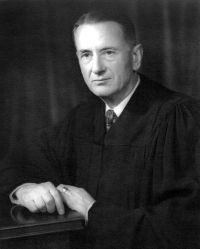
Portrait of Charles Evans Whittaker Charles Evans Whittaker Lawn v. United States — Opinion of the Court

The result of such a rule would be that before trial on the merits a defendant could always insist on a kind of preliminary trial to determine the competency and adequacy of the evidence before the grand jury. This is not required by the Fifth Amendment. An indictment returned by a legally constituted and unbiased grand jury, like an information drawn by the prosecutor, if valid on its face, is enough to call for trial of the charge on the merits.
Source: Wikisource

Portrait of Charles Evans Whittaker Charles Evans Whittaker Lawn v. United States — Opinion of the Court

We believe that the facts from the certified record, above discussed, show that petitioners' counsel, after using the check and check stub to make his point before the jury that the check was an innocent loan from Giglio and not an incriminatory payment by Tavern in the guise of a legal fee, wisely (as, we believe, every impartial and experienced trial lawyer would agree) said that he had 'no objection' to those exhibits, and thus consciously and intentionally waived any objection to their receipt in evidence.
Source: Wikisource

Portrait of Charles Evans Whittaker Charles Evans Whittaker Lawn v. United States — Opinion of the Court

The court did not sustain objections to petitioners' examination or cross-examination of witnesses attempting to show derivative use at the trial of any evidence produced by petitioners before the 1952 grand jury, but only sustained objections to questions attacking the procedural validity of the indictment. [12] At no time did counsel for petitioners point specifically to any evidence offered at the trial which they claimed was derived from materials furnished by petitioners before the 1952 grand jury.
Source: Wikisource

Get perspective with Kwize: daily news enlightened by great literature