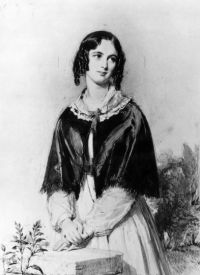
Charlotte M. Yonge

Charlotte M. Yonge

Summary

Portrait of Charlotte M. Yonge Charlotte M. Yonge History of France

Richelieu's Administration.—Cardinal de Richelieu's whole idea of statesmanship consisted in making the King of France the greatest of princes at home and abroad. To make anything great of Louis XIII., who was feeble alike in mind and body, was beyond any one's power, and Richelieu kept him in absolute subjection, allowing him a favourite with whom to hunt, talk, and amuse himself, but if the friend attempted to rouse the king to shake off the yoke, crushing him ruthlessly. It was the crown rather than the king that the cardinal exalted, putting down whatever resisted.
Source: Gutenberg

Portrait of Charlotte M. Yonge Charlotte M. Yonge History of France

In the duchy of Aquitaine, much more of the old Roman civilization survived, both among the cities and the nobility; and the Normans, newly settled in the north, had brought with them the vigour of their race. They had taken up such dead or dying culture as they found in France, and were carrying it further, so as in some degree to awaken their neighbours. Kings and their great vassals could generally read and write, and understand the Latin in which all records were made, but few except the clergy studied at all.
Source: Gutenberg

Portrait of Charlotte M. Yonge Charlotte M. Yonge History of France

Either by the king, the feudal lords, the clergy, or the bands of men-at-arms who roved through the country, selling themselves to any prince who would employ them, the wretched people were stripped of everything, and used to hide in holes and caves from ill-usage or insult, till they broke out in a rebellion called the Jacquerie, and whenever they could seize a castle revenged themselves, like the brutes they had been made, on those within it.
Source: Gutenberg

Get perspective with Kwize: daily news enlightened by great literature