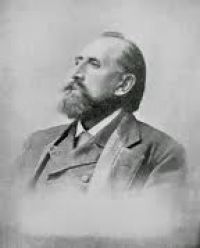
Felix L. Oswald

Felix L. Oswald

Summary

Portrait of Felix L. Oswald Felix L. Oswald The Bible of Nature (1888)

The dogma of salvation by faith seemed to make the enforced propagation of that faith a sacred duty, and soon drenched the face of the earth with the blood of pagans and dissenters; the worship of sorrow drove thousands to devote themselves and their children to a life of perpetual penance; and the insanities of the hideous superstition culminated in that dogma of eternal hell tortures that deprived its converts of the last solace of nature, and barred the last gate of escape from the horrors of existence.
Source: Gutenberg

Portrait of Felix L. Oswald Felix L. Oswald The Bible of Nature (1888)

When the harbinger of day dispels the specters of darkness, half-awakened sleepers often mourn the fading visions of dreamland, as they would mourn the memories of a vanished world, till they find that the solid earth still remains, with its mountains and forests, and that the enjoyment of real life has but just begun. With a similar regret the dupes of Jesuitism mourn the collapse of their creed and lament the decline of morality, till they find that religion still remains, with its consolations and hopes, and that the true work of redemption has but just begun.
Source: Gutenberg

Portrait of Felix L. Oswald Felix L. Oswald The Bible of Nature (1888)

Passionate love, accordingly, is ever ready to attain its purpose at the price of the temporary advantages of life, nay, of life itself; and the voluntary renunciation of such advantage is, therefore, in the truest sense a self-sacrifice for the benefit of posterity, a surrender of personal interests to the welfare of the species. In spite of the far-gone perversion of our ethical standards, we accordingly find an instinctive recognition of such truth in the popular verdict that applauds heroic loyalty to a higher law when lovers break the fetters of sordid interest or caste restrictions.
Source: Gutenberg

Get perspective with Kwize: daily news enlightened by great literature