Summary

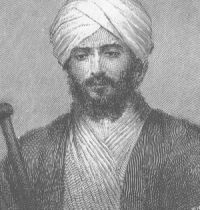
Portrait of G. W. Leitner G. W. Leitner Dardistan in 1866, 1886 and 1893

Are the Khyberis tributary to us or we to them, because we pay them a tribute to let our merchants travel through their Pass? Have we never ourselves come, first as suppliants, then as merchants, then as guests, then as advisers, then as protectors, and, finally, as conquerors?
The procedure of Afghanistan, of Chitrál, of Kashmir, and of our own is very much alike and so are the several radii of influence of the various factors in “the question.” We have our fringe of independent frontier tribes with whom we flirt, or wage war, as suits the convenience of the moment.
Source: Gutenberg

Portrait of G. W. Leitner G. W. Leitner Dardistan in 1866, 1886 and 1893

Why, then, destroy such a great defence in our favour if Hunza is kept friendly, as it so easily can be, especially with the pressure exercised on it by the Nagyris, whose forts frown on those of Hunza all down the river that separates their countries? I cannot conceive anything more wanton or suicidal than the present advance even if we should succeed in removing one of the most important landmarks in the history of the human race by shooting down the handful of Nagyris and Hunzas that oppose us.
Source: Gutenberg

Portrait of G. W. Leitner G. W. Leitner Dardistan in 1866, 1886 and 1893

The fairies and prophetesses of Dardistan are silent, the Tham of Hunza no longer brings down rain, the family axes are broken, the genealogists have been destroyed, and the sacred drum is heard no longer. The quaint computations of age, of months, seasons, years and half-years, and the strange observations of shadows thrown at various times are dying out or are already dead.
Source: Gutenberg

Get perspective with Kwize: daily news enlightened by great literature