Gilgit

Definition and stakes

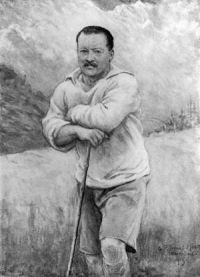
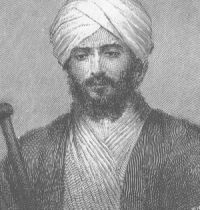
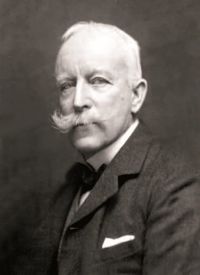
Portrait of G. W. Leitner G. W. Leitner,  Dardistan in 1866, 1886 and 1893

“ Why should “the only other exit from Gilgit by way of the Indus Valley be through territories held by tribes hostile to the British”? Have the Gilgit doings already alienated the poor, but puritanical Chilásis, tributaries of Kashmîr, who adjoin our settled British district of Kaghan? Are we to dread the Republic of Muhammadan learning, Kandiá, that has not a single fort; pastoral Dareyl; the Koli-Palus traders; agricultural Tangir, and other little Republics—one only of eleven houses? ”
Source: Gutenberg

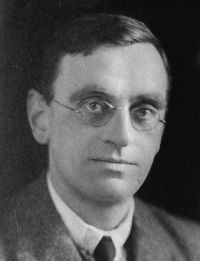
Portrait of G. W. Leitner G. W. Leitner,  Dardistan in 1866, 1886 and 1893

“ Then all the men of the villages go forth, having torches in their hands, which, at the sound of music, they swing round their heads, and throw in the direction of Gilgit, if they are at any distance from that place; whilst the people of Gilgit throw them indifferently about the plain in which that town, if town it may be called, is situated. When the throwing away of the brands is over, every man [15] returns to his house, where a curious custom is observed. ”
Source: Gutenberg

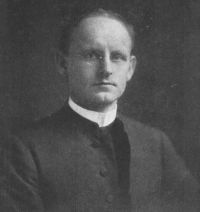
Portrait of G. W. Leitner G. W. Leitner,  Dardistan in 1866, 1886 and 1893

“ Chilâs, which sends a tribute every year to Kashmir for the sake of larger return-presents rather than as a sign of subjection, is said to be governed by a council of elders, in which even women are admitted. [56] When I visited Gilgit, in 1866, it was practically without a ruler, the invading troops of Kashmir barely holding their own within a few yards of the Gilgit Fort—a remarkable construction which, according to the report of newspapers, was blown up by accident in 1876, and of which the only record is the drawing published in the Illustrated London News of the 12th February 1870. ”
Source: Gutenberg

Get perspective with Kwize: daily news enlightened by great literature