Summary

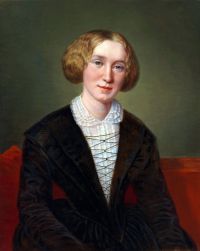
Portrait of George Eliot George Eliot The Mill on the Floss — Book 6… (1860)

And Lucy–she has been deceived; she who trusted me more than any one. I cannot marry you; I cannot take a good for myself that has been wrung out of their misery. It is not the force that ought to rule us,–this that we feel for each other; it would rend me away from all that my past life has made dear and holy to me. I can't set out on a fresh life, and forget that; I must go back to it, and cling to it, else I shall feel as if there were nothing firm beneath my feet."
"Good God, Maggie!" said Stephen, rising too and grasping her arm, "you rave. How can you go back without marrying me?
Source: Wikisource

Portrait of George Eliot George Eliot The Mill on the Floss — Book 6… (1860)

A sense of stairs descended as if in a dream, of flagstones, of a chaise and horses standing, then a street, and a turning into another street where a stage-coach was standing, taking in passengers, and the darting thought that that coach would take her away, perhaps toward home. But she could ask nothing yet; she only got into the coach.
Home–where her mother and brother were, Philip, Lucy, the scene of her very cares and trials–was the haven toward which her mind tended; the sanctuary where sacred relics lay, where she would be rescued from more falling.
Source: Wikisource

Portrait of George Eliot George Eliot The Mill on the Floss — Book 6… (1860)

I have never said, 'They shall suffer, that I may have joy.' It has never been my will to marry you; if you were to win consent from the momentary triumph of my feeling for you, you would not have my whole soul. If I could wake back again into the time before yesterday, I would choose to be true to my calmer affections, and live without the joy of love.
Source: Wikisource

Get perspective with Kwize: daily news enlightened by great literature