Summary

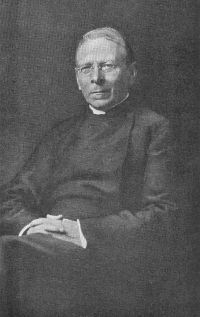
Portrait of George Hodges George Hodges Fountains Abbey: The story of a mediæval monastery

Only the yews look down from their gentle hill upon the broken walls. There they were when the monks came, a little adventurous company, to begin their life of seclusion and prayer. Their leaves were green when the Abbey rose in splendour, and mitred abbots walked in their shadow. They saw the expulsion of the convent and the ruin of the monastery. They are a symbol of the persistence of the quiet, elemental forces amidst our human chance and change.
Source: Gutenberg

Portrait of George Hodges George Hodges Fountains Abbey: The story of a mediæval monastery

At the beginning of monasticism, most of the monks were laymen. They had separated themselves not only from the world but from the church. They believed that the deserts were better places for prayer than any sanctuary builded by the hand of man. They felt that they could best draw near to God, each in the silence of his own soul. In an age whose faith was in salvation by services, they turned their back on all the services. In an institutional time, when it was commonly accounted essential to be in the communion of the church, the monks were individualists.
Source: Gutenberg

Portrait of George Hodges George Hodges Fountains Abbey: The story of a mediæval monastery

One of the fire-places in the warming-house, one of the ovens in the refectory kitchen, had been blocked up as being no longer needed. The partitions down the rows of pillars in the nave had been removed, for there were no lay brothers to sit in the long lines of stalls. Men were asking menacing questions as to the practical value of these vast establishments which were withdrawing from the general life of the nation so much wealth and strength.
Source: Gutenberg

Get perspective with Kwize: daily news enlightened by great literature