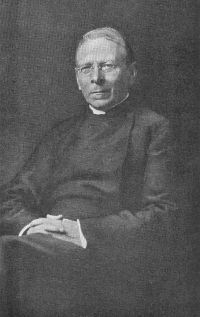
George Hodges

George Hodges

Summary

Portrait of George Hodges George Hodges,  Fountains Abbey (1904)

“ To the men of the cloister, living by rule and wonted to silence, the bold ideas of the robust prophets of the new time had a harsh and forbidding sound. Rumours of the current sayings and doings found their way into the Abbey—the farmer made report to the cellarer when he brought in his beets and onions—and the brethren shuddered to hear them, as men shake and shiver upon whom the cold wind blows around the corner after a day spent by the warm fire. In the ening contention between the old learning and the new the monks held with the past. ”
Source: Wikisource

Portrait of George Hodges George Hodges,  Fountains Abbey (1904)

“ To the north, beside the chapel of the nine altars, lay the cemetery. In this quiet place, remote from even the peaceful stir of the cloister, the monks expected to end their days. Their longest journey out of this blessed haven was when they crept along the corridor, and the nine-altars chapel, and the presbytery aisle, to their place on the stout oak bench against the back of the rood screen, to hear mass on some high festival. They awaited only one longer journey, when they should be carried out of the infirmary chapel to the green cemetery. ”
Source: Wikisource

Portrait of George Hodges George Hodges,  Fountains Abbey (1904)

“ A monk—monos—is a man who lives alone. The time came when a monk was never, under any circumstances, alone; but at the beginning he was a solitary person, living his own life by himself.
It is true that the wise church quietly and patiently followed these mystics in their wanderings, followed these enthusiasts who had forsaken the priests and the sacraments, and carried to them the altars which they had left behind, and by-and-by most of the monks were priests.
”
Source: Wikisource

Get perspective with Kwize: daily news enlightened by great literature