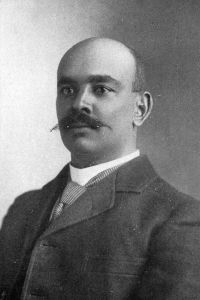
Hightower Theodore Kealing

Hightower Theodore Kealing

Summary

Portrait of Hightower Theodore Kealing Hightower Theodore Kealing The Characteristics of the Negro People (1903)

His affection is not less towards the Caucasian than to his own race. It is not saying too much to remark that the soul of the Negro yearns for the white man's good will and respect; and the old ties of love that subsisted in so many instances in the days of slavery still survive where the ex-slave still lives. The touching case of a Negro Bishop who returned to the State in which he had been a slave, and rode twenty miles to see and alleviate the financial distress of his former master is an exception to numerous other similar cases only in the prominence of the Negro concerned.
Source: Wikisource

Portrait of Hightower Theodore Kealing Hightower Theodore Kealing The Characteristics of the Negro People (1903)

He has brought cheer, love, emotion and religion in saving measure to the land. He has given it wealth by his brawn and liberty by his blood. His self-respect, even in abasement, has kept him struggling upward; his confidence in his own future has infected his friends and kept him from nursing despondency or planning anarchy.
Source: Wikisource

Portrait of Hightower Theodore Kealing Hightower Theodore Kealing The Characteristics of the Negro People (1903)

What the census calls literacy is often very shallow. The cause of this shallowness lies, in part, in the poor character and short duration of Southern schools; in the poverty that snatches the child from school prematurely to work for bread; in the multitude of mushroom colleges and get-smart-quick universities scattered over the South, and in the glamour of a professional education that entices poorly prepared students into special work.
Source: Wikisource

Get perspective with Kwize: daily news enlightened by great literature