Laissez-faire

Definition and stakes

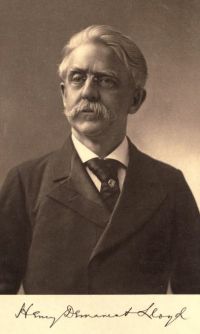
Portrait of Herbert Spencer Herbert Spencer Popular Science Monthly (1873)

Once more, what shall we say of the laissez-faire which cries out because the civil administration of justice costs us £800,000 a year—because to protect men's rights we annually spend half as much again as would build an iron-clad!—because to prevent fraud and enforce contracts we lay out each year two-thirds of the sum our largest distiller pays in spirit-duty!—what, I ask, shall we say of the laissez-faire which thus thinks it an extravagance that one-hundredth part of our national revenue should go in maintaining the vital condition to national well-beings?
Source: Wikisource

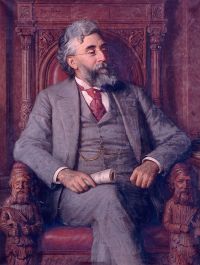
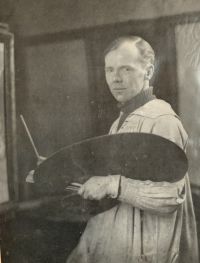
Portrait of Edward Potts Cheyney Edward Potts Cheyney An Introduction to the Industrial and Social History of England

The Laissez-faire Theory.—A scarcely less complete change than that which had occurred in manufactures, in agriculture, and in social life as based upon these, was that which was in progress at the same time in the realm of ideas, especially as applied to questions of economic and social life. The complete acceptance of the view that it was a natural and desirable part of the work of government to regulate the economic life of the people had persisted well past the middle of the eighteenth century.
Source: Gutenberg

Get perspective with Kwize: daily news enlightened by great literature