Summary

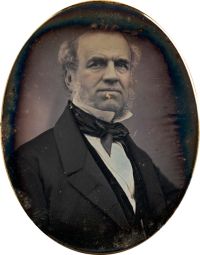
Portrait of James Haughton James Haughton The social and moral elevation of our working classes (1857)

How can we expect the poor to appreciate the virtue of cleanliness in their habitations, while the rich allow themselves to be surrounded by filth and all manner of nastiness in our public thoroughfares, in our more private streets, and in all our lanes and alleys? If we be inattentive to neatness in our own mansions, if our windows be left dirty, and paint is seldom used to give at least an external evidence of our love of cleanliness and order, we cannot expect that the poor will be very particular in these respects.
Source: Wikisource

Portrait of James Haughton James Haughton The social and moral elevation of our working classes (1857)

There is one practice almost universal amongst us, which, more than any other evil habit that prevails, impedes the social and moral elevation of our people. It is a habit which does more to degrade men, and keep them low on the ladder of life, than any other, or perhaps than all other bad habits put together, and yet few preachers and few writers condemn it in their teachings or ministrations.
Source: Wikisource

Portrait of James Haughton James Haughton The social and moral elevation of our working classes (1857)

Dispel this folly by the light of education and the right exercise of wisdom, founded on a knowledge of the laws of nature, and we should no more think of using alcohol as a sustainer of health and strength, than we do of using arsenic for such purposes; no more think of flying in the face of common sense, of outraging our physical and moral nature, by pouring intoxicating liquors into our system, than we should now think of thrusting our hands into a fire, and hope to escape with impunity.
Source: Wikisource

Get perspective with Kwize: daily news enlightened by great literature