Summary

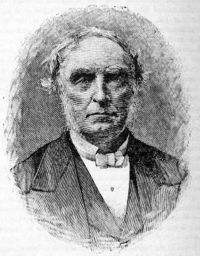
Portrait of James Legge James Legge Encyclopædia Britannica, Ninth Edition (1878)

Tze-lu went back, and reported what the man had said to the master, who observed: “It is impossible to withdraw from the world, and associate with birds and beasts that have no affinity with us. With whom should I associate but with suffering men? The disorder that prevails is what requires my efforts. If right principles ruled through the kingdom, there would be no necessity for me to change its state.” We must recognize in those words a brave heart and a noble sympathy. Confucius would not abandon the cause of the people.
Source: Wikisource

Portrait of James Legge James Legge Encyclopædia Britannica, Ninth Edition (1878)

On one of the occasions he and his company were in danger of perishing from want, and the courage of even Tze-lu gave way. “Has the superior man, indeed, to endure in this way?” he asked. “The superior man may have to endure want,” was the reply, “but he is still the superior man. The small man in the same circumstances loses his self-command.”
While travelling about, Confucius repeatedly came across recluses,—a class of men who had retired from the world in disgust. That there was such a class gives us a striking glimpse into the character of the age.
Source: Wikisource

Get perspective with Kwize: daily news enlightened by great literature