Summary

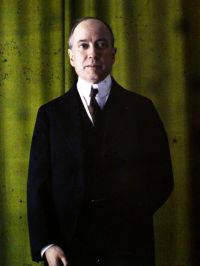
Portrait of James M. Beck James M. Beck The Case of Edith Cavell

Will the American people or the people of any nation hesitate to accept the clear, positive, and circumstantial statements of Minister Whitlock, Secretary Gibson, and Counselor Deleval, at least two of whom are wholly disinterested in the matter, as against the self-exculpatory, general, and anonymous denials of a "semi-official" press bureau, especially when it is recalled that from the beginning of the great war, the German Foreign Office, with whom military honor is supposed to be almost a religion, has stooped to the most shameful and barefaced mendacity?
Source: Gutenberg

Portrait of James M. Beck James M. Beck The Case of Edith Cavell

One can to some extent understand the Berserker fury which caused von Bissing to say in effect to this gentle-faced English nurse, "You are in our way. You menace our security. You must die, as countless thousands have already died, to secure the results of our seizure of Belgium"; but can we understand or in any way palliate the attempt to hide the stains of blood on that prison floor of Brussels with a cobweb of self-evident falsehoods?
Source: Gutenberg

Portrait of James M. Beck James M. Beck The Case of Edith Cavell

Zimmermann had no occasion on the accepted theory of Prussian militarism to justify the secret trial and midnight execution of Edith Cavell. Indeed, he freely intimates that his Government will not spare women, no matter how high and noble the motive may have been which inspires any infraction of military law, and to this sweeping statement he makes but one exception, namely, that women "in a delicate condition may not be executed." But why the exception? If it be permitted to destroy one life for the welfare of the military administration of Belgium, why stop at two?
Source: Gutenberg

Get perspective with Kwize: daily news enlightened by great literature