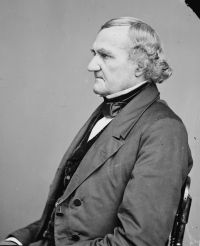
 John Catron,
Clarke v. White — Opinion of the Court
John Catron,
Clarke v. White — Opinion of the Court
“ He who purchases unsound property, with knowledge of the unsoundness at the time cannot maintain an action. So if one compounds a debt, or makes any other contract, with a full knowledge of all the facts, acting at arm's length upon his judgment, and fails to guard against loss; he must abide the consequences. Neither fraud nor mistake can be imputed to such an agreement.The inequality alone in his various compositions with his creditors, (all the other circumstances of fraud being out of the question,) is a fraud, per se, both at law and equity ”
