Summary

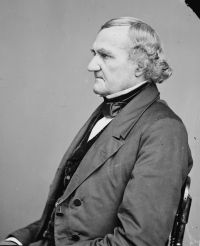
Portrait of John Catron John Catron Kinney v. Clark — Opinion of the Court

The great rule of all contracts, from the most humble parol one to treaties, is the intent of the parties. Look at the injustice and inconsistency which would be charged to Virginia. But suppose I am wrong in all this, and the Cherokees were alone excepted; commissioners were appointed at that or the previous session, by Virginia, to purchase this very land. What was the object of Virginia? to protect the Cherokees as such? for their personal benefit? or to describe a tract of country to be free from Treasury warrant?
Source: Wikisource

Portrait of John Catron John Catron Kinney v. Clark — Opinion of the Court

Suppose Virginia was mistaken, and it turned out to be Chickasaw country? Was not the intention clear? to reserve this land? A mistake in the description would not vitiate the act. Calling the country by a wrong name would not destroy the reservation. The whole analogy of law is against it. A devise would not fail if you can find a person answering the description, although the name be wrong. If the Cherokees had no land there, we must find out the true persons intended to be protected. An interpretation must be adopted which will further and fulfil the spirit of the act.
Source: Wikisource

Portrait of John Catron John Catron Kinney v. Clark — Opinion of the Court

Is it the evidence of a law, or treaty with the United States? Must we show only prima facie evidence? or produce a treaty with the United States? The question is one of meum and tuum. Is the treaty of Hopewell conclusive: The establishment of the boundary will decide whether Porterfield or Clark is the owner of this property, and this is a judicial question. The question of boundary may be a political question generally, and courts cannot decide between sovereign powers, but they are bound to decide a question of property. Neither the executive nor the legislature can act upon it.
Source: Wikisource

Get perspective with Kwize: daily news enlightened by great literature