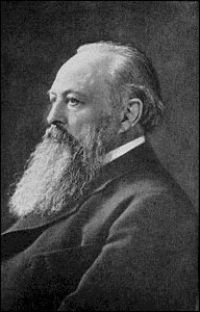
John Emerich Edward Dalberg Acton

John Emerich Edward Dalberg Acton

Summary

Portrait of John Emerich Edward Dalberg Acton John Emerich Edward Dalberg Acton The History of Freedom and Other Essays (1922 (org. 1907))

That austerity of moral judgment, that sense of the greatness of human affairs, and of the vast issues that lie in action and in thought, was no product of outside influences, and went beyond what he had learnt from his master Döllinger. To treat politics as a game, to play with truth or make it subservient to any cause other than itself, to take trivial views, was to Acton as deep a crime as to waste in pleasure or futility the hours so brief given for salvation of the soul would have seemed to Baxter or Bunyan
Source: Wikisource

Portrait of John Emerich Edward Dalberg Acton John Emerich Edward Dalberg Acton The History of Freedom and Other Essays (1922 (org. 1907))

Here is the same austere love of truth, the same resolve to dig to the bed-rock of fact, and to exhaust all sources of possible illumination, the same breadth of view and intensity of inquiring ardour, which stimulated his studies and limited his productive power. Above all, there is the same unwavering faith in principles, as affording the only criterion of judgment amid the ever-fluctuating welter of human passions, political manœuvring, and ecclesiastical intrigue.
Source: Wikisource

Portrait of John Emerich Edward Dalberg Acton John Emerich Edward Dalberg Acton The History of Freedom and Other Essays (1922 (org. 1907))

Everywhere faith was shaken, and except for a few resolute and unconquered spirits, it seemed as though its defence were left to a class of men who thought the only refuge of religion was in obscurity, the sole bulwark of order was tyranny, and the one support of eternal truth plausible and convenient fiction.
Source: Wikisource

Get perspective with Kwize: daily news enlightened by great literature