Machiavelli

Definition and stakes

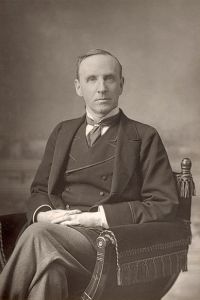
Portrait of John Morley John Morley,  Machiavelli (1897)

“ The Prince deals with one problem, the Discourses with the other, but the spring of Machiavelli's political inspirations is the same, to whatever type of rule they apply—the secular state supreme; self-interest, and self-regard, avowed as the single principles of state action; material force the master-key to civil policy. Clear intelligence backed by unsparing will, unflinching energy, remorseless vigour, the brain to plan and the hand to strike—here is the salvation of States, whether monarchies or republics. ”
Source: Wikisource

Portrait of John Morley John Morley,  Machiavelli (1897)

“ All those maxims that have most scandalised mankind in the Italian writer of the sixteenth century, were the daily bread of the Italian soldier who planted his iron heel on the neck of Europe in the nineteenth. Yet Machiavelli at least sets decent limits and conditions: the ruler may under compulsion be driven to set at nought pity, humanity, faith, religion, for the sake of the State, but though he should know how to enter upon evil when compelled, he should never turn from what is good when he can avoid it. ”
Source: Wikisource

Portrait of Niccolò Machiavelli Niccolò Machiavelli,  Machiavelli, Volume I (1905)

“ There is no great book in the world of smaller compass than The Prince of Machiavelli. There is no book more lucidly, directly, and plainly written. There is no book that has aroused more vehement, venomous, and even truculent controversy from the moment of its publication until to-day. And it is asserted with great probability that The Prince has had a more direct action upon real life than any other book in the world, and a larger share in breaking the chains and lighting the dark places of the Middle Ages. It is a truism to say that Machiavellism existed before Machiavelli. ”
Source: Gutenberg

Get perspective with Kwize: daily news enlightened by great literature