Summary

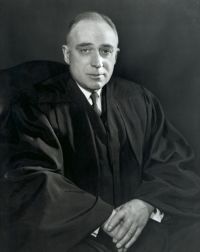
Portrait of John Marshall Harlan II John Marshall Harlan II Volkswagenwerk Aktiengesellschaft v…

In the case of a multi-employer agreement to raise wages, for example, each employer simply bears the cost of benefiting his own employees. In the present case, had it been possible to make the levy on each employer directly proportional to, and roughly simultaneous with, the savings to that employer from modernization, two things would have followed: the 'allocation' decision could be said to stem directly from the terms of the labor agreement, and the modernization program would 'pay for itself' as it went along, leaving shipping customers unaffected.
Source: Wikisource

Portrait of John Marshall Harlan II John Marshall Harlan II Volkswagenwerk Aktiengesellschaft v…

On the other hand, in the present case no one has suggested that Maritime Commission review of a particular method of cost allocation may properly reach the question whether the obligation necessitating the allocation should have been entered into, or that the Commission may reject an allocation plan when there are no preferable alternative routes to collection of the necessary amount. Review of the fairness and propriety of a taxing scheme is not the same thing as reviewing the fairness and propriety of the uses to which the tax money, once collected, is put.
Source: Wikisource

Portrait of John Marshall Harlan II John Marshall Harlan II Volkswagenwerk Aktiengesellschaft v…

Commission review of the fairness of the agreement allocating the cost burden of mechanization does not mean Commission review of a labor agreement and does not imply consequences in conflict with national labor policy. Whether to mechanize, or otherwise modernize, and what provision should be made for displaced workers, are obviously matters of union concern, and negotiations about these things should be governed by the law of collective bargaining.
Source: Wikisource

Get perspective with Kwize: daily news enlightened by great literature