Collective bargaining

Definition and stakes

Beatrice Webb,  The History of Trade Unionism

“ It is impossible to deny that the perpetual liability to end in a strike or a lock-out is a grave drawback to the Method of Collective Bargaining. So long as the parties to a bargain are free to agree or not to agree, it is inevitable that, human nature being as it is, there should now and again come a deadlock, leading to that trial of strength and endurance which lies behind all bargaining. ”
Source: Gutenberg

M. P. Follett,  The new state (1918)

“ Even collective bargaining is only a milestone on the way to the full application of the group principle. It recognizes the union, it recognizes that some adjustment between the interests of capital and labor is possible, but it is still “bargaining,” still an adjustment between two warring bodies, it still rests on the two pillars of concession and compromise. We see now the false psychology underlying compromise and concession. Their practical futility has long been evident: whenever any difference is “settled” by concession, that difference pops up again in some other form. ”
Source: Gutenberg

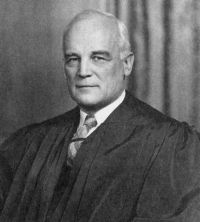
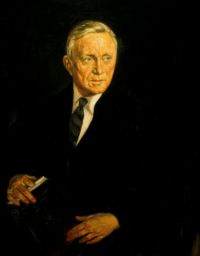
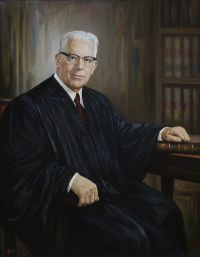
Portrait of Hugo Black Hugo Black,  Linn v. United Plant Guard Workers of America…

“ The object of the National Labor Relations Act was to bring about agreements by collective bargaining, not to add fuel to the fire by encouraging libel suits with their inevitable irritations and disputeprolonging tendencies. Yet it is difficult to conceive of an element more certain to create irritations guaranteed to prevent fruitful collective bargaining discussions than the threat or presence of a large monetary judgment gained in a libel suit generating anger and a desire for vengeance on the part of one or the other of the bargaining parties. ”
Source: Wikisource

Get perspective with Kwize: daily news enlightened by great literature