Summary

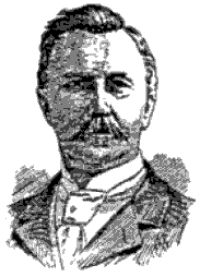
Portrait of John Randolph Spears John Randolph Spears The history of our Navy from its origin to the present day… (1897)

A hell of sulphurous flame and smoke belched from the side of every British ship. Every gun of every sort in their squadron that could be brought to bear was aimed at the tiny craft. The round shot ploughed—the grape and canister and musket balls rained about the craft, filling the air with spray and spoondrift—but Perry, standing erect that he might inspire his squadron with his own courage, faced it all—faced it until his men mutinied to save his life and declared they would row no further unless he sat down.
Source: Gutenberg

Portrait of John Randolph Spears John Randolph Spears The history of our Navy from its origin to the present day… (1897)

The doctrines of the Prince of Peace are never so beautiful as when they are in accord with one’s business interests—we are never so horrified by the wickedness of war as when we consider the destruction it would bring upon our property! Can we, indeed, view with complacency the proposition to sink a ship with five hundred unprepared souls by means of a torpedo, and yet shrink from the thought of preserving peace by the threat of capturing and destroying all of the property of an enemy that is found afloat after war is declared?
Source: Gutenberg

Portrait of John Randolph Spears John Randolph Spears The history of our Navy from its origin to the present day… (1897)

They are farther worth consideration because in these last days of the nineteenth century a very great number of people in the nation believe that if an enemy’s battle-ship should dare to threaten the American metropolis, the courageous tugboat-men of the harbor would arm their little vessels with torpedoes and, swarming down to Sandy Hook, surround the audacious armor-clad, and by sheer force of numbers run in and explode their dynamite where it would fill the enemy with dismay, and his hull with water.
Source: Gutenberg

Get perspective with Kwize: daily news enlightened by great literature