Summary

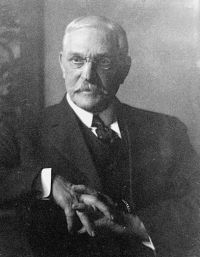
Portrait of John W. Beatty John W. Beatty The Relation of Art to Nature

Indeed, I have never heard the able master of art say otherwise than that he has striven with all his power, sometimes in despair, to wrest from nature the subtle beauties of form and colour possessed by her and discovered by those who have the power to perceive and understand these qualities. Nature is the supreme standard, attained to only in part. We may accept nature as the source of all beauty and harmony in art and rest assured that the stream has never risen above its source.
Source: Gutenberg

Portrait of John W. Beatty John W. Beatty The Relation of Art to Nature

Schopenhauer’s definition of genius is probably more accurate and more logical than that of any other writer. In his opinion, genius is the power of pre-eminent perception. The artist only exceeds his fellows in that his perception is keener; that he is able to see and understand more perfectly than others. When an able painter approaches nature in this spirit, forgetting all else, as Schopenhauer suggests, the result is usually a masterpiece. To such a painter is attributed the quality known as genius.
Source: Gutenberg

Portrait of John W. Beatty John W. Beatty The Relation of Art to Nature

Conclusion It may seem ruthless to destroy the old conception which attributed to the works of the painter and sculptor a place superior to or above the works of men in the field of science or in other spheres of activity, but this, I think, is rapidly being done. The idea that man is capable of adding anything to or improving upon the supreme qualities of beauty as these exist in nature is disappearing. The spirit of a scientific age is dispelling the old conception of art. Men now realize in art as in science that the quality of truth is the sole object to be sought.
Source: Gutenberg

Get perspective with Kwize: daily news enlightened by great literature