Summary

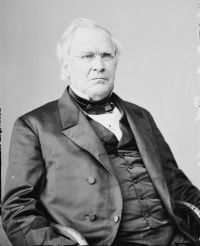
Portrait of Robert Cooper Grier Robert Cooper Grier Dundas v. Hitchcock — Opinion of the Court

The time given to the widow by the law, to make her election, is intended for her protection, and not that she shall use it as a weapon of offence to defraud others. Courts of equity do not exert their powers, even in favor of widows, to assist them in such a transaction. The deed executed by the complainant in 1840 is an estoppel, both in law and equity, against this claim of dower. By this deed, she professes to convey, as 'widow,' 'sole devisee,' and under the powers vested in her by the will.
Source: Wikisource

Portrait of Robert Cooper Grier Robert Cooper Grier Dundas v. Hitchcock — Opinion of the Court

But when the legal estate is vested wholly in the husband, and the right of the wife is but a contingent incumbrance, there is no necessity that she should join in the grant of the fee, the release of her inchoate right acknowledged in due form, being all that is necessary to bar her from setting up a claim of dower, after the death of her husband.
Source: Wikisource

Get perspective with Kwize: daily news enlightened by great literature