Summary

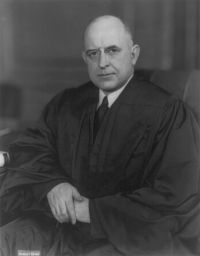
Portrait of Stanley Forman Reed Stanley Forman Reed United States v. Line Materials Company…

It is a reward for the invention or discovery of something new, something before unknown, something added to the sum total of human knowledge, utility, well-being; something which the inventor or discoverer, despising the lure of money or fame, might have withheld from his fellow men. By the monopoly that goes with a patent, then, the Government recompenses and, for a limited time, protects the inventor or discoverer who gives to the world the use and benefit of his invention or discovery.
Source: Wikisource

Portrait of Stanley Forman Reed Stanley Forman Reed United States v. Line Materials Company…

The term 'monopoly' connotes the giving of an exclusive privilege for buying, selling, working, or using a thing which the public freely enjoyed prior to the grant. Thus a monopoly takes something from the people. An inventor deprives the public of nothing which it enjoyed before his discovery, but gives something of value to the community by adding to the sum of human knowledge.
Source: Wikisource

Portrait of Stanley Forman Reed Stanley Forman Reed United States v. Line Materials Company…

That is the implication of the descriptive words of the grant 'the exclusive right to make, use and vend the invention.' The government is not granting the common-law right to make, use and vend, but it is granting the incident of exclusive ownership of that common-law right, which can not be enjoyed save with the common-law right. A patent confers a monopoly.
Source: Wikisource

Get perspective with Kwize: daily news enlightened by great literature