Summary

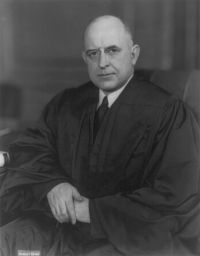
Portrait of Stanley Forman Reed Stanley Forman Reed Williams v. Jacksonville Terminal Company Pickett…

The tip paying public is entitled to know whom it tips, the red cap or the railroad. A plan like that before us, which covertly diverts tips from employees for whom the giver intended them to employers for whom the giver did not intend them and to whom any kind of tip doubtless would not have been voluntarily given, seems to me to contain an element of deception.
Source: Wikisource

Portrait of Stanley Forman Reed Stanley Forman Reed Williams v. Jacksonville Terminal Company Pickett…

It is said that there is no practical difference between a system under which the railroads openly impose a charge on the public and one under which the red caps accept from travellers so-called tips, treated by the railroad as a part of the red caps' wages. Generally, the traveller who pays a railroad charge knows he is paying it to the railroad. One who gives a red cap a tip does not necessarily know that he is thereby helping the railroad to discharge its statutory duty of paying a minimum wage to its employees.
Source: Wikisource

Portrait of Stanley Forman Reed Stanley Forman Reed Williams v. Jacksonville Terminal Company Pickett…

The Fair Labor Standards Act is not intended to do away with tipping. Nor does it appear that Congress intended by the general minimum wage to give the tipping employments an earnings-preference over the non-service vocations. The petitioners do not dispute the railroad's contention that, during the entire period, each red cap received as earnings-cash pay plus tips-a sum equal to the required minimum wage. Nor is there denial of increased pay to the red caps on account of the minimum wage guarantee of the challenged plan as compared with the former tipping system.
Source: Wikisource

Get perspective with Kwize: daily news enlightened by great literature