Agathocles of Syracuse

Definition and stakes

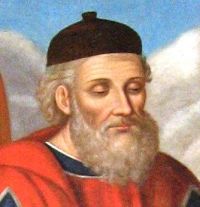
Portrait of Niccolò Machiavelli Niccolò Machiavelli The Annotated Prince — Chapter VIII: Of Those Who By Their Crimes Come to Be Princes (1513)

Agathocles the Sicilian came, not merely from a private station, but from the very dregs of the people, to be King of Syracuse. Son of a potter, through all the stages of his fortunes he led a foul life. His vices, however, were conjoined with so great vigour both of mind and body, that becoming a soldier, he rose through the various grades of the service to be Praetor of Syracuse.
Source: Wikisource

The historians' history of the world in twenty-five volumes…

Tyranny, the natural result of class antagonism in a city, had reappeared at Syracuse after the death of Timoleon. The tyrant, Sosistratus, was supported by the aristocrats; Agathocles became the advocate of the claims of the people. He had also a personal grievance against Sosistratus, who, after an expedition against the Bruttians, had refused him the prize for courage which he deserved. Being driven from Syracuse, he recruited an army among the exiles, whose number was always very great by reason of the continual revolutions of Sicily and Magna Græcia.
Source: Gutenberg

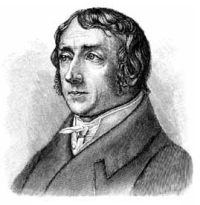
Portrait of Charles Rollin Charles Rollin The Ancient History of the Egyptians…

Agathocles, whose forces were greatly inferior to theirs, and who moreover saw himself deserted by all his allies, from their detestation of his horrid cruelties, meditated a design of so daring, and, to all appearance, so impracticable a nature, that, even after being happily carried into execution, it yet appears almost incredible. This design was no less than to make Africa the seat of war, and to besiege Carthage, at a time when he could neither defend himself in Sicily, nor sustain the siege of Syracuse. His profound secresy in the execution is as astonishing as the design itself.
Source: Gutenberg

Get perspective with Kwize: daily news enlightened by great literature