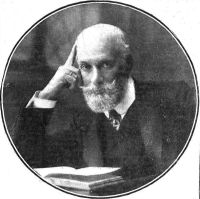
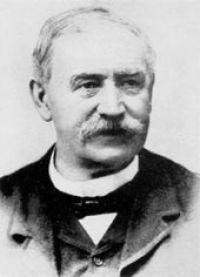
Antonio de Góngora

Definition and stakes

James Fitzmaurice-Kelly,  A History of Spanish Literature

“ Their fatal facility is common to their brethren: threadbare phrase, accepted without thought and repeated without heed, is, as often as not, the curse of the best Spanish work. It was, perhaps, not altogether love of notoriety which seduced Góngora into Carrillo's ways. He had, as his earliest work proves, a sounder method than his fellows and a purer artistic conscience. No trace of carelessness is visible in his juvenile poems, written in an obscurity which knew no encouragement. ”

Source: Gutenberg

A Spanish Anthology

“ At the very outset of the seventeenth century there manifested itself in Spanish poetry the vitiating influence of Góngora, a writer whose bombastic and obscure style, termed Gongorism after its originator, wrought the same harm in Spanish letters that Marinism wrought in Italy and Euphuism in England. The mannerisms of Góngora were imitated by later poets, so that his school persisted throughout the century, despite the reaction to sanity attempted by the Argensolas, and the satirist Quevedo. ”
Source: Gutenberg

James Fitzmaurice-Kelly,  A History of Spanish Literature

“ It took Spain a hundred years to rid her veins of the Gongoristic poison, and Gongorism has now become, in Spain itself, a synonym for all that is bad in literature. Undoubtedly Góngora did an infinite deal of mischief: his tricks of transposition were too easily learned by those hordes of imitators who see nothing but the obvious, and his verbal audacities were reproduced by men without a tithe of his taste and execution. And yet, though it be an unpopular thing to confess, one has a secret sympathy with him in his campaign. Lope de Vega and Cervantes are as unlike as two men may be ”
Source: Gutenberg

Get perspective with Kwize: daily news enlightened by great literature