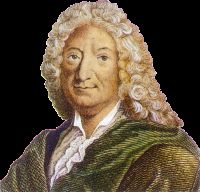
Félix Lope de Vega y Carpio (1562–1635) was a towering figure of Spain’s Golden Age, celebrated as the leading dramatist of his time and a highly productive poet whose works encompassed tragedy, comedy, and epic verse. Often called “the Phoenix of Wits” by Cervantes, Lope transformed Spanish theatre by combining a wide range of genres and themes, from sacred mysteries to raucous farce, while developing the comedia as a vibrant, popular form.
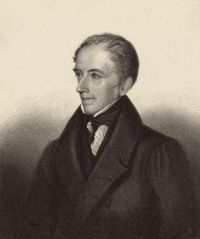
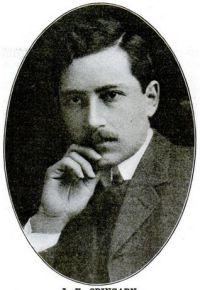
His influence is visible in contemporaries like Calderón de la Barca, whom he indirectly inspired, and in critics such as James Fitzmaurice-Kelly, who regarded him as the founder of Spanish theatre for challenging strict conventions and fostering creative liberty. Anne C. Lynch Botta highlighted his dramas’ “diversity,” ranging from serious religious subjects to depictions of daily life, while David Hannay stressed his role as the “real creator” of the comedia, a legacy that endured beyond his extensive output and personal struggles. Lope’s lasting impact lies in his ability to combine artistic originality with the cultural rhythm of 17th-century Spain.