Army of the West

Definition and stakes

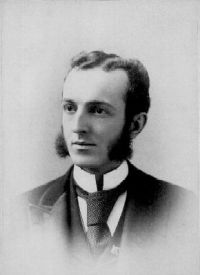
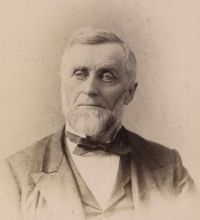
William Franklin Gore Shanks Personal Recollections of Distinguished Generals

The Army of the West cared nothing for appearances, wore a slouched hat and a loose blouse, and had the air of careless ease and indifference which we often see in the pioneer. The Western veteran had more care for his rifle than his uniform, paid more attention to his cartridge-box than his carriage, and heartily despised drill and parade. The Western troops lacked culture, they had less respect for "the proprieties" than the Eastern troops, and the relations of officer and man were maintained by them with less of the strictness that is due to proper discipline than among Eastern troops.
Source: Gutenberg

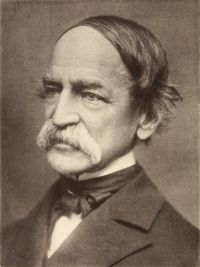
Portrait of Ulysses S. Grant Ulysses S. Grant Personal Memoirs of U. S. Grant…

Western members might be throwing it up to the members of the East that in the suppression of the rebellion they were not able to capture an army, or to accomplish much in the way of contributing toward that end, but had to wait until the Western armies had conquered all the territory south and west of them, and then come on to help them capture the only army they had been engaged with.
Source: Gutenberg

Portrait of Ulysses S. Grant Ulysses S. Grant Personal Memoirs of U. S. Grant…

The armies in the East and West acted independently and without concert, like a balky team, no two ever pulling together, enabling the enemy to use to great advantage his interior lines of communication for transporting troops from East to West, reinforcing the army most vigorously pressed, and to furlough large numbers, during seasons of inactivity on our part, to go to their homes and do the work of producing, for the support of their armies.
Source: Gutenberg

Get perspective with Kwize: daily news enlightened by great literature