Battle of Messines

Definition and stakes

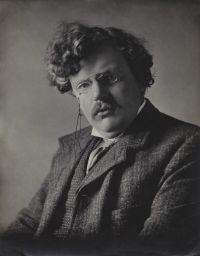
Portrait of Philip Gibbs Philip Gibbs,  From Bapaume to Passchendaele, 1917

“ In this battle of Messines there was not any body of our men who did not spend all their strength and take all risks with a kind of passionate exultation of spirit. The Manchester men dug a six-foot deep trench-line to our new front on the ridge, beating all records. Flinging off tunics and shirts so that they were naked to the waist, New-Zealanders who took Messines dug as inspired diggers, fast and furiously, and before next day had dawned had two long, deep trenches as secure defences against German counter-attacks. ”
Source: Gutenberg

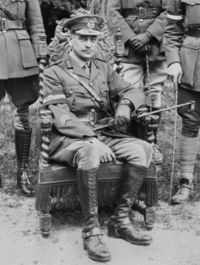
Cyril Falls,  The History of the 36th (Ulster…

“ With regard to the infantry itself, the most interesting feature of the Battle of Messines was the triumph of the platoon. Each platoon had now a Lewis-gun section and a section of rifle grenadiers. It was converted thereby into a little self-sufficing force, an army in miniature, with every weapon necessary for the carrying out of the minor operations likely to confront it in such an assault. Some of the platoon leaders displayed in this battle a high order of tactical skill. ”
Source: Gutenberg

Amabel Williams-Ellis,  The Tank Corps

“ The Battle of Messines was over by June 12, but it was considered that if an attack in the strongly fortified Ypres Salient was to have a real chance of success, it must be an attack in force, a regular full-dress battle, for which the preparations were then held to be necessarily extremely elaborate.
About six weeks were therefore to elapse before the attack was launched. Once launched, however, the attackers must gain their objectives rapidly.
”
Source: Gutenberg

Get perspective with Kwize: daily news enlightened by great literature