Bongrand

Definition and stakes

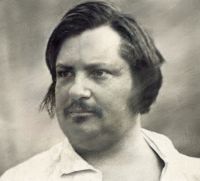
Portrait of Honoré de Balzac Honoré de Balzac,  Ursule Mirouët — Part I, Section 7 (1842)

“ The notary, conducted by Ursule, came to the bottom of the garden. After the greetings and several trifling sentences, Dionis was granted a moment’s private hearing. Ursule and Bongrand retired to the salon.
“We will think it over! I will see!” said Bongrand to himself, repeating the doctor’s last words, “that is what clever people always say; death overtakes them and they leave the beings who are dear to them, in distress.”
The mistrust that highly gifted men inspire in business men is extraordinary; they will not trust them in the least while recognizing them in the greatest affairs.
”
Source: Wikisource

Portrait of Honoré de Balzac Honoré de Balzac,  Ursule Mirouët — Part I, Section 7 (1842)

“ A man of good feeling and a man of genius see everything. Bongrand, nettled at the doctor’s silence, but moved doubtless through interest in Ursule and believing her to be imperiled, resolved to defend her against the heirs. He was frantic at the thought of knowing nothing of the old man’s conversation with Dionis. ”
Source: Wikisource

Portrait of Honoré de Balzac Honoré de Balzac,  Ursule Mirouët — Part I, Section 7 (1842)

“ The notary was delighted enough at this discovery, which might prevent the dreaded marriage in extremis with which the doctor could balk his heirs, whilst Bongrand saw his castles in the air overthrown; for a long time, he had been thinking of marrying his son to Ursule.
“If the poor child were in love with this fellow, it would be a misfortune for her; Madame de Portenduère is a Breton and biased as to her nobility,” returned the justice of the peace after a pause.
”
Source: Wikisource

Get perspective with Kwize: daily news enlightened by great literature