Book of Ezekiel

Definition and stakes

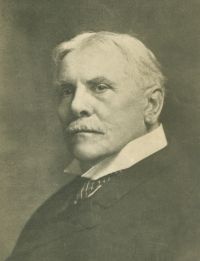
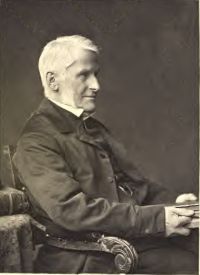
Portrait of Arno Clemens Gaebelein Arno Clemens Gaebelein The Prophet Ezekiel: An Analytical Exposition

The book of Ezekiel starts with the description of a great vision, which the prophet had among the captives of the river Chebar. The first word "now," which really means "and," connects the book with Jeremiah, as Joshua is connected in the same way with Deuteronomy. The two statements "I was" and "I saw" in the first verse make it clear that Ezekiel is the author of this book. The third verse has been marked by the critics as an addition by some person, who edited the book later. There is no evidence for that. In describing his own person and descent, he no longer uses the personal pronoun.
Source: Gutenberg

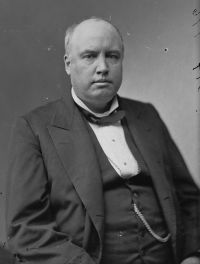
George Foot Moore The Literature of the Old Testament

Bel had triumphed over Jehovah, and it was all over with the nation. Thenceforth Ezekiel's task was to save them from despair by the assurance that God still had a purpose to fulfil with them, and that, in his own time, when they had been thoroughly purged from their old sins and filled with a new spirit, he would restore them to their own land and bring to life again the dead nation.
These two periods of the prophet's mission sharply divide the Book of Ezekiel. To the day when the word came to him that the Babylonian armies had invested Jerusalem (Ezek. 24) he combats delusion
Source: Gutenberg

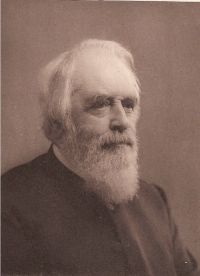
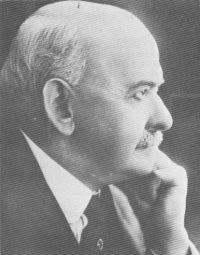
Portrait of Annie Besant Annie Besant Biblical Biology (1884)

Ezekiel is a book of priceless value from our present point of view. Who can read without his heart thrilling of the living creatures that "had the likeness of man," and such a man—a man with four faces, with four wings, with a calf's feet, and a man's hands, sparkling like burnished brass, looking like burning coals of fire and like the appearance of lamps (Ezek. i., 5—13) .
Source: Wikisource

Get perspective with Kwize: daily news enlightened by great literature