Book of Samuel

Definition and stakes

Stanley Arthur Cook,  1911 Encyclopædia Britannica, Volume 24… (1911)

“ The book of Samuel completes the history of the “judges” of Israel, (11th century B.C.) , and begins by relating the events which led to the institution of the monarchy under Saul, the part played by Samuel being especially prominent (1 Sam. i.–xiv.) . The interest is then transferred to David, the founder of the Judaean dynasty, and his early life is narrated with great wealth of detail. As Saul loses the divine favour, David’s position advances until, after the death of Saul and the overthrow of Israel, he gains the allegiance of a disorganized people (1 Sam. xv.–2 Sam. iv.) ”
Source: Wikisource

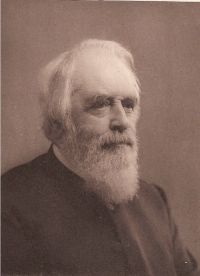
Portrait of William Garden Blaikie William Garden Blaikie,  The Expositor's Bible: The First Book of Samuel

“ There was no comfort for Saul in Samuel’s reply, but much the contrary. Why should he have asked advice of the Lord’s servant, when he owned that he was forsaken by the Lord Himself? What could the servant do for him if the Master was become his enemy? What can a priest or a minister do for any man if God has turned His face away from him? Can he make God deny Himself, and become favourable to one who has scorned or sinned away His Holy Spirit? ”
Source: Gutenberg

The World English Bible — 1 Samuel

“ All the people shouted, and said, "Long live the king!"
25 Then Samuel told the people the regulations of the kingdom, and wrote it in a book, and laid it up before Yahweh. Samuel sent all the people away, every man to his house. 26 Saul also went to his house to Gibeah; and there went with him the army, whose hearts God had touched. 27 But certain worthless fellows said, "How shall this man save us?"
”
Source: Wikisource

Get perspective with Kwize: daily news enlightened by great literature