Bran the Blessed

Definition and stakes

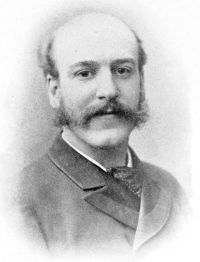
Portrait of Alfred Nutt Alfred Nutt,  Studies on the legend of the Holy Grail (1888)

“ But the name Brons has at once suggested to most students of the cycle that of Bran. The latter is, as we saw in the last Chapter, the representative of an old Celtic god of the otherworld. He is the owner of the cauldron of renovation. He is also the hero in Welsh tradition of a conversion legend, and is commonly known as Bran the Blessed. Unfortunately the only explanation we have of this epithet occurs in a late triad, to which it is not safe to assign an earlier date than the fourteenth century. ”
Source: Wikisource

Harold Bayley,  Archaic England

“ The President of Celtic poetry and bardic music is said to have been a being of gigantic height named Bran: it is to Bran the Blessed that tradition assigns the introduction of the Cross into Britain, and when Bran died his head is stated to have been deposited under the White Tower of London, where it acted as a talisman against foreign aggression. ”
Source: Gutenberg

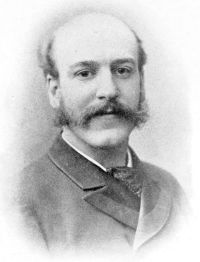
Portrait of Alfred Nutt Alfred Nutt,  Studies on the legend of the Holy Grail (1888)

“ II., p. 457, from MS. Hengwrt, 566, of the beginning of the fourteenth century, and probably at least fifty years older, mentions the "blessed head of Bran." [3] On the whole, in spite of the silence of older sources, I look upon the epithet and the legend which it presupposes as old, and I see in a confusion between Bran, Lord of the Cauldron, and Bran the Blessed, the first step of the transformation of the Peredur sage into the Quest of the Holy Grail. In the first capacity Bran corresponds to the Lord of the Castle of Talismans. ”
Source: Wikisource

Get perspective with Kwize: daily news enlightened by great literature