British colonies

Definition and stakes

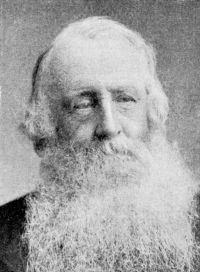
C. S. Dawe,  King Edward's realm: Story of the making of the Empire (1902)

“ True British colonies are settlements where men from our own shores have been able to make a permanent home, found a family, and rear children in robust health. Men of our stock can only plant such colonies where a temperate climate prevails, where wheat and other cereals thrive, and where flocks and herds can be successfully reared; such colonies we have in Canada, Australia, and New Zealand. ”
Source: Gutenberg

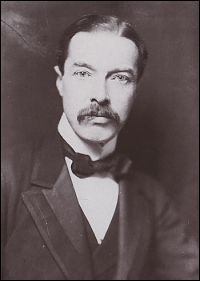
Portrait of Charles Oman Charles Oman,  A History of England

“ The history of the British colonies in North America is of a very different character from that of British South Africa. We have spoken in an earlier page of the gallant aid which the colonists gave to England in her struggle with the United States during the years 1812-15. When the excitement of this war had died down, there arose a slowly increasing estrangement between the two provinces of Upper and Lower Canada; the English settlers of the former and the old French habitans of the latter were separated from each other by race, language, religion, and prejudices. ”
Source: Gutenberg

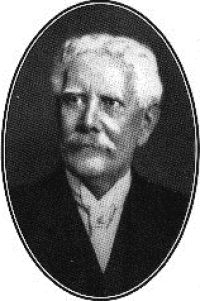
Sir Charles Prestwood Lucas,  A history of Canada, 1763-1812 (1909)

“ In those parts of the world which have been settled and not merely conquered by Europeans, and which are still British possessions, in British North America, Australasia, and South Africa, there has been on the whole parity of progress. No one of the three groups of colonies has in wealth and population wholly out-distanced the others. This fact has unquestionably made for strength and permanence in the British Empire, and it is equally beyond question that the spread of colonization within the Empire would have been wanting, had Great Britain retained her old North American colonies. ”
Source: Gutenberg

Get perspective with Kwize: daily news enlightened by great literature